Review: Just a Girl Who Loves Nursing Embroidery Design
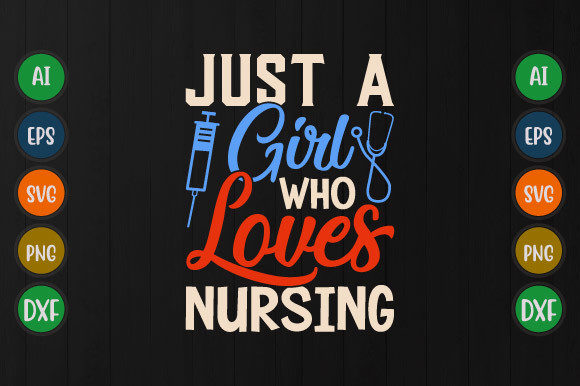
When I open a new embroidery file for review, my first question isn't just about the technical specs—it's about the story it tells on fabric. The Just a Girl Who Loves Nursing design arrives with a clear, heartfelt identity. It's a celebration, a declaration. It feels personal, proud, and perfectly aimed at a specific, appreciative audience. This isn't a generic medical logo; it's a piece of wearable affirmation.
The Immediate Mood and Project Match
The layout is straightforward and friendly, making it instantly approachable. As a designer, I look at this and immediately think of projects where the emotional message is paramount. It naturally belongs on items meant for a nurse herself—a custom sweatshirt for a long shift, a cozy pillow cover for her break room, or a tote bag for her daily commute. But its warmth also makes it ideal for gifts: a holiday present from a grateful family, a personalized apron for a nurse who loves to cook, or a baby blanket for a new mom in the profession. The theme creates a mood of recognition and respect.
Performance in Real Embroidery Situations
In practical use, this design’s clarity is its greatest strength. The text is the focal point, which means stitch definition will be crucial for readability. On a standard cotton sweatshirt or a canvas tote bag, using a solid satin stitch for the letters should produce a clean, professional look that enhances the handmade product's value. For a more delicate application, like a baby’s knit sweater or a soft kitchen towel, you might consider simplifying the fill stitch density to prevent the fabric from becoming too stiff.
I envision this design shining on items for boutique merchandise—think a well-made cap with the design embroidered on the curved front panel, or a high-quality apron sold in a small shop catering to healthcare professionals. For an Etsy seller specializing in personalized gifts, this file offers a ready-made asset that can be adapted into various product mockups, from embroidered patches to custom pillow covers. Its straightforward nature also lends itself well to commercial embroidery projects for hospital gift shops or nursing school merchandise.
Where Careful Application is Needed
While the design is bold, some elements demand attention. Any tiny lettering or intricate corners within the “love” theme will require careful hoop placement and appropriate stabilizer, especially on stretchy fabrics like t-shirts or on textured fabrics like some blankets. On dark fabric backgrounds, thread color contrast is absolutely key—a white or bright satin stitch will pop, but a poorly chosen color can muddy the message.
For projects on curved surfaces, like caps, the layout should be tested in a smaller hoop size to ensure the text doesn't distort. Similarly, if you're considering a very small rendition on something like a delicate handkerchief or a patch, review the stitch density first; overly dense areas in a small space can look bulky. Always test on scrap fabric that matches your final project's texture.
Impact on Customer Trust and Giftability
From a business perspective, a well-executed embroidery of this design speaks volumes. It shows care. When a customer—perhaps a family member buying a gift—sees this on a finished product, the clarity and professionalism of the stitching build immediate trust. It feels like a thoughtful, crafted item, not a mass-produced decal. This enhances the handmade presentation and can directly affect buyer engagement in your online listings or at a craft fair.
For creative entrepreneurs, it supports brand consistency if your shop focuses on celebratory or profession-themed designs. Its recognizability makes it highly giftable, and its specificity means it often arrives with a built-in, heartfelt story from the purchaser, which is always a win for a small business.
A Practical Scenario: The Embroidered Tote Bag
Let’s walk through a real case. I’m preparing a custom embroidered tote bag for a nurse graduating from her program. I choose a sturdy, natural canvas. I load the Just a Girl Who Loves Nursing design, opting for a rich blue thread that complements the fabric. After checking my stabilizer and confirming my hoop size accommodates the entire design comfortably, I run a test on a scrap of the same canvas. I pay close attention to the stitch density in the letters, ensuring they lay flat without puckering.
The final result is a bag that feels substantial and personal. The embroidery is the feature, not an add-on. It’s a product that clearly has a user and a story, making it far more valuable than a plain bag. This is the kind of project where this design excels—it transforms a functional item into a piece of personal pride.
Essential Designer Notes Before You Stitch
Before committing this to a final project, a few steps are non-negotiable. Always test the design on a scrap of your intended fabric first. Check the thread color contrast against both light and dark backgrounds; sometimes a design looks perfect in a digital mockup but needs adjustment in real thread. Inspect the small details in your test piece—are the corners clean? Is the text perfectly readable?
Use proper stabilizer for your fabric type; this is especially critical for thin fabrics or fabrics with stretch. Confirm the licensing terms for this graphic before selling finished items or digital products. The provided file formats, including vector files, are versatile, but always verify the specific terms of use for commercial applications. Finally, consider how it will look in simple black and white mockups for your product listings—a good design holds its character even in a basic preview.
In summary, the Just a Girl Who Loves Nursing embroidery design is a solid, emotion-driven file. It’s not overly complex, which makes it adaptable, but its success hinges entirely on precise execution. For embroidery designers and makers targeting the nursing community or creating personalized gifts, it’s a valuable asset. When stitched with care on the right product, it tells a story that resonates deeply, turning a simple piece of apparel or decor into a meaningful keepsake.