Practical Review: Livin the Scrub Life Embroidery Design
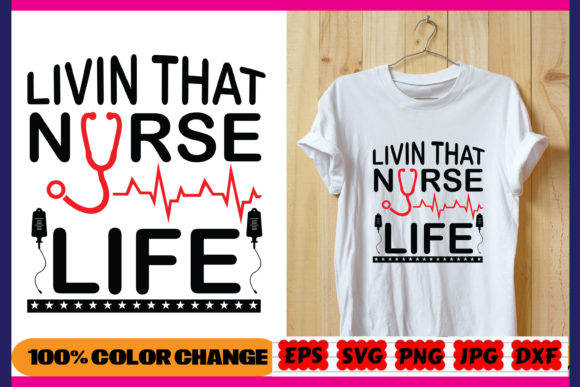
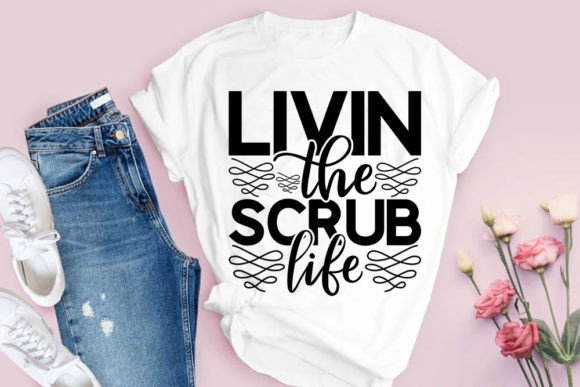
As a designer who regularly evaluates digital artwork for real-world embroidery projects, my first impression of the Nurse SVG Design, Livin the Scrub Life is that it carries a warm, confident, and slightly playful mood. The phrase itself has a professional pride and a relatable, everyday vibe. This isn’t a sterile, formal medical logo; it feels personal. For an embroidery project, that personality is a huge asset. It creates an immediate connection, perfect for a personalized gift or a piece of merchandise that celebrates the nursing profession.
The Design’s Natural Habitat: Where This Embroidery File Thrives
When I look at a design, I immediately picture where it would look best stitched. Livin the Scrub Life naturally belongs on items meant for wear, display, or daily use by nurses or those who support them. Think of a custom embroidered sweatshirt for a graduating nursing student, a tote bag for carrying supplies to shift, or a crisp apron as a unique gift for a nurse who loves to cook. The design’s layout, assuming it’s presented as text with perhaps some supportive graphical elements, suggests it would be excellent for centered placement on a chest or a bag.
In a real scenario, imagine preparing a high-quality embroidered patch for a nurse’s work bag. The design’s clarity and theme would make that patch a recognizable and appreciated token. For a boutique product or an Etsy seller focusing on medical professionals, this embroidery design could be the core of a whole line—stitched onto pillow covers for a relaxing home decor item, or onto the corner of a tea towel for a kitchen with a sense of humor and heart.
Performance on Actual Projects: From T-Shirts to Totes
Moving from theory to practice, how would this design perform on actual fabrics? The included file formats—EPS, SVG, PNG, and DXF—cover a broad range of needs, from digital product previews and printable mockups to direct use with many embroidery machines and software. For custom apparel like t-shirts and sweatshirts, the key will be stitch density and lettering clarity. A design like this, depending on its detail level, would likely use a mix of satin stitches for text and perhaps fill stitches for any accompanying shapes.
On a tote bag or a cap, the curved surface requires special attention. The design should be tested to ensure small details, like any decorative accents or tiny lettering, remain sharp and don’t get lost in the fabric texture. For baby clothes or delicate items like blankets, you’d want to ensure the embroidery isn’t too dense, making it stiff or uncomfortable. Conversely, on a sturdy apron or a pillow cover, you can embrace a fuller, more pronounced stitch, which adds to the handmade presentation and perceived value.
Careful Application: Navigating Fabric and Scale
Every design has its ideal applications and its trickier ones. For Livin the Scrub Life, pay close attention when working on very small hoop sizes. If the design is intricate, scaling it down too much might compress lettering, reducing stitching clarity. Textured fabrics, like some sweater knits, or thin, stretchy fabrics could present challenges; a robust stabilizer strategy is essential here.
Embroidery on dark fabric is always a consideration. The visual appeal hinges on thread color contrast. A bright, clean white or a vivid color against a dark blue or black scrub-colored garment would make this design pop, enhancing its recognition and professional feel. For products destined for frequent washing, like workwear or kitchen towels, test the stitch integrity on scrap fabric first to ensure it holds up, which directly affects customer trust and the longevity of your finished product.
The Impact on Your Craft Business and Customer Engagement
Using a well-conceived design like this affects more than just the stitch. It elevates the product value. For a small shop product or a craft fair offering, an embroidered item with this theme feels thoughtful and specific, increasing its giftability. It speaks directly to a community, fostering buyer engagement. For an Etsy seller or a creative entrepreneur, incorporating such designs into your brand can build consistency if you focus on the medical or gratitude niche.
The handmade presentation becomes more meaningful when the design itself resonates. A nurse receiving a custom embroidered pillow with this phrase isn’t just getting decor; they’re getting a badge of honor for their daily life. That emotional connection is what turns a simple graphics file into a successful commercial embroidery project or a cherished personalized gift.
Practical Notes for the Embroidery Designer
Before loading this Nurse SVG Design into your machine, a few practical steps will save time and ensure quality. Always test the embroidery file on a scrap of your target fabric first. This reveals how the stitch density interacts with the fabric texture and allows you to review thread color choices. Check the design in both black and white digital mockups to gauge its form on light and dark backgrounds.
Inspect the small details in the provided files. Confirm the hoop size your software suggests and see if it aligns with your intended product—a baby bib needs a smaller hoop than a sweatshirt back. Crucially, confirm the licensing terms for this design before selling finished items or using it in commercial embroidery. The product is categorized under T-Shirt Designs and Graphics, which typically implies use for apparel decoration, but verifying this is a must for any business use.
Ultimately, Livin the Scrub Life is a design asset with strong potential. Its practical application ranges from heartfelt holiday gifts to staple small business merchandise. By approaching it with a designer’s eye for real-use scenarios—considering fabric, scale, and end-user emotion—you can transform this digital embroidery file into a finished product that truly celebrates the scrubs life.