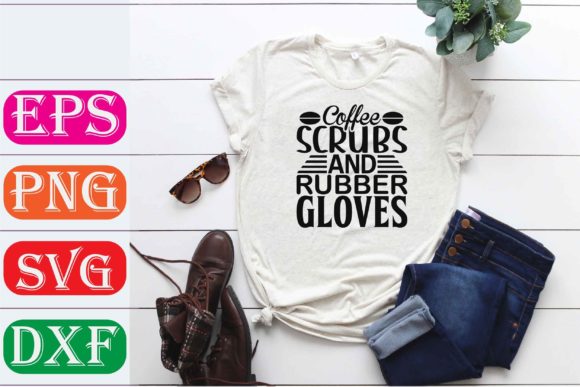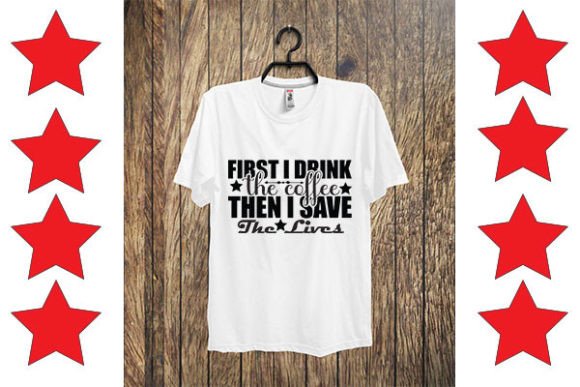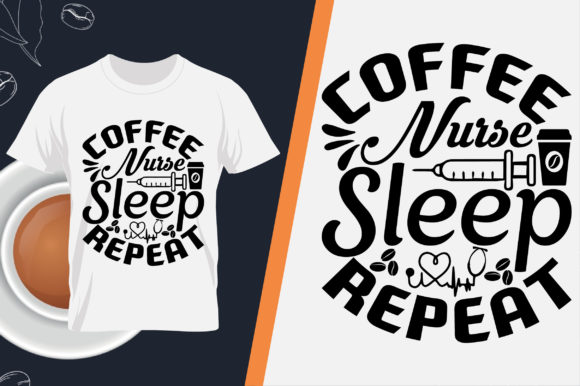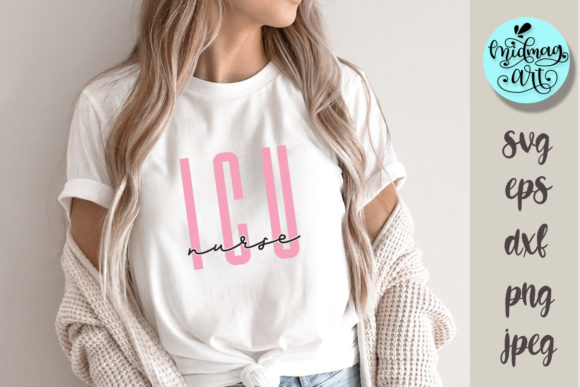
Nurse SVG Design: Coffee, Scrubs & Rubber Gloves
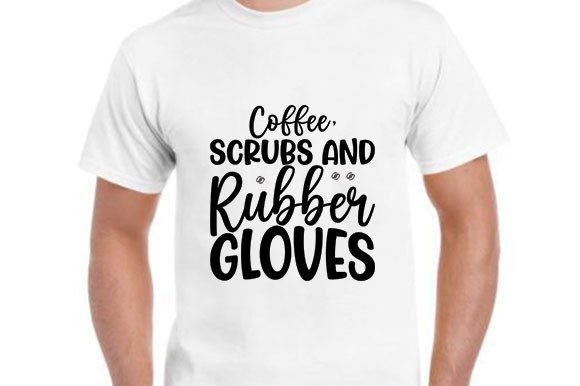
As someone who creates a lot of custom work for healthcare professionals, I was immediately drawn to this design. It’s more than just a graphic; it’s a mood. Before I even consider stitching, I look at a design’s personality and whether it feels like it belongs on a finished product. This one has a relaxed, insider humor to it—the coffee cup, the scrubs, the gloves—it speaks directly to the daily grind with a wink.
This Design Belongs on Fabric
The first impression is practical: the layout feels balanced, with clear, defined shapes. There aren’t so many intricate details that they’ll vanish under a satin stitch, but there’s enough character that it won’t look generic. This is a design that naturally leans toward apparel and gifts. It doesn’t scream “novelty”; it feels like a genuine nod to a profession. I picture it on a cozy sweatshirt for a nurse after a long shift, or a tote bag they carry to work. It has that giftability factor—something you’d make for a friend or colleague that feels thoughtful and specific.
Where This Design Will Really Shine
In real-life embroidery projects, I see a few natural fits. A sturdy cotton tote bag would be perfect; the graphic’s scale and theme are ideal for a functional, everyday item. For a custom apparel piece, a mid-weight sweatshirt or a firm t-shirt would provide a great canvas. I’d also consider it for a personalized apron or a kitchen towel—something for the home that nods to their work life. For a craft business or Etsy shop, this design is a solid asset for creating a line of nurse-themed merchandise. It’s recognizable and taps into a specific community, which builds trust with buyers looking for something that feels authentic.
Baby clothes or delicate nursery decor might be a less obvious choice, but on a blanket or a sturdy little bib, it could make a charming gift from a nurse to their own child or a colleague’s new baby. The key is matching the design’s casual, slightly rugged personality with a product that has a similar vibe.
Careful Stitching for Best Results
While the shapes are generally clean, I’d approach a few areas with attention. The rubber gloves and the details on the coffee cup could become a bit dense if the stitch fill is too heavy. On a curved surface like a cap, you’d need to test the layout to ensure those elements don’t distort. For small hoop sizes, the entire design might need to be scaled down carefully to keep the text readable and the elements distinct.
Fabric choice matters here. On very dark fabric, you’ll need strong thread color contrast, especially for the smaller text. On thin or stretchy fabric, a good stabilizer is non-negotiable to prevent the design from puckering, particularly in the fill stitch areas like the scrubs top. Layered garments, like a hoodie, require extra planning for stitch density so the embroidery sits cleanly on the surface.
The Practical Impact on Your Project
Using a design like this affects the entire feel of your finished product. When stitched well, its clarity adds to the perceived value—it looks professional, not homemade in a haphazard way. That builds customer trust, whether you’re selling the item or giving it as a gift. For a small shop, it contributes to brand consistency if you’re building a niche around healthcare or service profession themes. The design’s inherent recognizability means it engages buyers quickly; they understand the joke and the tribute immediately.
A Designer’s Notes Before You Hoop
My routine before committing any design to a final project is thorough. For this Nurse SVG design, I’d start by testing it on scrap fabric—preferably a similar weight and texture to my target product. This reveals how the stitch density behaves and whether any small details, like the “and rub” lettering, hold their clarity.
I always check thread color contrast by imagining the design on both light and dark backgrounds. Sometimes a design that pops on white fabric needs a completely different color palette on black. Running a test in a simple black and white digital mockup can help visualize that before you spend on thread.
Confirming your hoop size is essential. Make sure the design dimensions fit comfortably within your intended hoop, allowing for clean registration. Use the appropriate stabilizer for your fabric; a design with mixed elements like this often benefits from a firmer foundation.
Finally, and this is crucial for commercial use: check the licensing. The product description lists the file formats—EPS, SVG, PNG, DXF—which are great for versatility. But before you sell finished items or use the design in digital product previews for your craft business, confirm the terms. Understand whether it’s cleared for personal and commercial projects to avoid any issues down the line. Always verify this yourself; don’t assume.
Turning a Digital File into a Real Product
This is where the magic happens for makers. An embroidery file like this is a starting point. Think about the end product. Will it be an embroidered patch applied to a bag? A directly stitched design on a custom apron for a nurse’s birthday? A holiday gift for a nursing team? Your execution determines its success.
The design’s layout, with its separate but connected elements, lends itself to clean satin stitches for outlines and fill stitches for the larger areas. Pay attention to fabric texture; a smooth cotton will show the details sharply, while a textured fleece might soften them a bit, which could actually enhance the cozy, casual feel for a sweatshirt.
In my view, this Nurse SVG design is a strong, usable asset. It has a clear audience, a relatable theme, and a composition that translates well to stitched work. With practical preparation and an understanding of where it fits best, it can become a standout piece in your handmade product line or a deeply appreciated personalized gift.