Evaluating the Wife Dog Mom Nurse Design for Embroidery
Today, I'm looking at the Wife Dog Mom Nurse SVG quotes design with the mindset of an embroidery designer. This isn't about the file specs listed on the product page—it's about judging its potential in real projects. My goal is to see if this design can transform from a digital graphic into a compelling, stitch-worthy piece for clients and my own craft business.
The First Impression: A Modern, Layered Statement
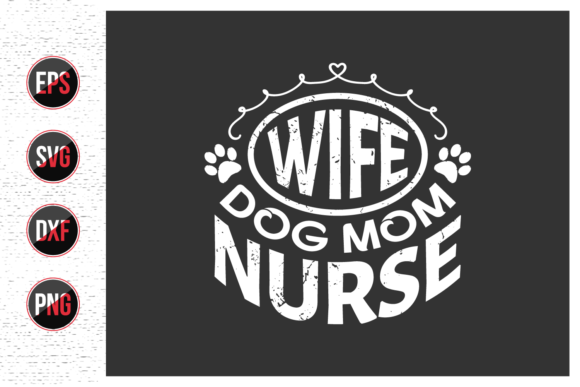
Opening this design, the typographic layout immediately feels modern and approachable. It's not a simple line of text; it's a layered statement, weaving "wife," "dog mom," and "nurse" into a cohesive visual personality. The mood it creates is celebratory and identity-affirming—perfect for a personalized gift or a product meant to resonate deeply. The shape is organic, built from the lettering itself, which suggests it would translate well into satin stitch or a clean fill stitch for embroidery.
Where This Design Finds Its Home
In my workflow, I picture this design applied to specific items. A custom embroidered tote bag for a nurse who is also a proud pet owner? Perfect. A cozy, embroidered sweatshirt for a friend or client? It feels right. I can see it as a standout feature on a boutique kitchen towel, a heartfelt pillow cover, or even a delicate patch on a baby blanket for a new mom in the medical field. It has that giftability factor—it feels special, not generic.
For small business merchandise, like items for an Etsy shop or craft fair booth, this design taps into a clear niche. It speaks directly to a person’s multifaceted life, which always engages buyers more than a vague slogan. For commercial embroidery projects, such as a small batch of aprons for a local clinic’s staff appreciation, the design offers recognition and a personal touch that boosts perceived value.
Visual Appeal and Stitching Considerations
The design’s strength is its thematic clarity, but its execution in embroidery depends on practical choices. The intertwined words mean there are areas of varying density. On a medium to large hoop size, this will stitch out beautifully with good clarity. On a smaller hoop—think a cap or a baby item sleeve—those details, especially the smaller lettering, could become challenging. It’s a design that benefits from scale.
Thread color contrast will be crucial. On light fabrics, a bold, dark thread will make the statement pop. On dark fabrics like a navy sweatshirt, a bright, opaque white or light thread is essential to maintain the typographic elegance. The design’s handmade presentation relies on clean edges, so using the proper stabilizer for the fabric—whether it’s a stretchy t-shirt or a textured tote bag canvas—is a non-negotiable step.
Navigating Tricky Embroidery Situations
Where should we use this design carefully? Thin or highly stretchy fabric could distort the layered lettering if not stabilized impeccably. The curved surface of a cap requires testing to ensure the layout doesn’t feel cramped at the crown. For products destined for frequent washing, like apparel or kitchen towels, a durable stitch density is key—this isn't a sparse running stitch design; it will have substance, which generally holds up well.
When considering dark fabric backgrounds, I always advise creating a black and white mockup first to judge the silhouette. Does the layout hold its visual interest without color? For this design, the answer is yes—the overlapping words create a shape that stands on its own, which is a good sign for versatility.
A Real-Life Scenario: Crafting a Special Gift
Imagine you’re preparing a custom embroidered tote bag as a holiday gift for a nurse who juggles family, work, and her love for her dogs. You hooped the bag, selected a rich berry red thread for the lettering, and watched the machine stitch out the design. The finished product isn’t just a bag; it’s a recognition of her entire identity. That’s the power a well-chosen embroidery file like this can bring to a project—it builds customer trust and elevates your work from decoration to meaningful artistry.
Practical Notes for the Embroidery Designer
Before committing this to a client project or your small shop product, run these checks:
- Test the design on scrap fabric first, using the same material and stabilizer you plan for the final product.
- Review the stitch density in your software preview; ensure it looks balanced for your chosen hoop size.
- Inspect the small details—the junctions between words—to see if they might need minor tweaking for your specific machine.
- Compare how it looks on both light and dark fabric backgrounds in your digital preview.
- Most importantly, confirm the licensing terms of this digital embroidery file for your intended use. Whether for personal gifts or commercial embroidery, knowing the rules protects your craft business.
Remember, the design comes as a graphics package in a ZIP file with multiple formats. For embroidery, you'll typically work from the SVG or DXF vector file to import into your machine software. This vector foundation is excellent for scaling without losing quality, a must for adapting the design to different products.
The Final Judgment: A Versatile, Resonant Asset
The Wife Dog Mom Nurse design succeeds as a versatile asset for embroidery designers and creative entrepreneurs. Its typographic layout creates a modern, personal statement that fits a range of projects—from heartfelt gifts to professional small shop merchandise. It will stitch out with clarity on appropriate fabrics and scales, adding value and engagement to finished products.
Its true test, as with any machine embroidery design, comes in the preparation. Take the time to test, choose your threads wisely, and match it to a product that deserves its layered message. When you do, this design moves from a simple graphic in the Print Templates category to a thoughtful, stitched reality that people will genuinely appreciate.