An Embroidered Design for a PICU Nurse's Badge of Honor
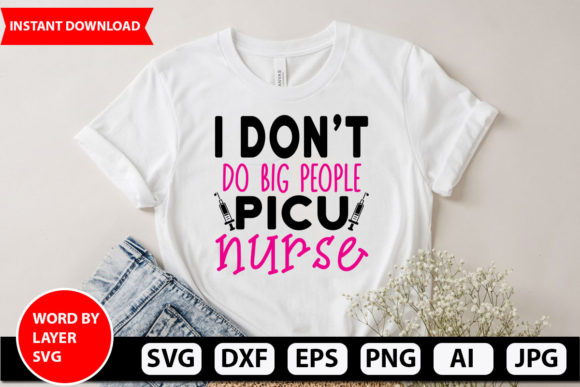
As a designer who frequently creates custom pieces for clients, I always look for files that can translate a sentiment into stitch. When I first saw the I Don’t Do Big People Picu Nurse design, I immediately understood its purpose. It’s not just a graphic; it’s a statement of specialty, a badge of honor for those nurses dedicated to the Pediatric Intensive Care Unit. The mood it creates is one of pride, gentle humor, and deep professional identity.
The Personality of the Design Before the Hoop
The layout, with its clear, bold lettering and the playful "I Don’t Do Big People" premise, has a strong visual personality. It’s confident and specific. For embroidery, this is excellent. The theme is niche, which means it will resonate powerfully with its intended audience—PICU nurses, their colleagues, or families who want to celebrate them. The detail level appears straightforward, which is a practical advantage. Complex, overly detailed designs can become muddy in stitch, but this one looks like it would maintain clarity, especially in the key lettering areas.
A Natural Fit for Personalized Professional Apparel
I envision this design embroidered onto a custom apparel item almost instantly. Imagine a high-quality, slightly structured tote bag for a nurse to carry to work, or a soft, cozy sweatshirt for their off-duty hours. The design feels perfect for a embroidered patch that could be applied to a scrub cap or a apron. It would make a deeply thoughtful personalized gift—far more meaningful than a generic item. For a craft business or Etsy seller focusing on medical professionals or niche holiday gifts, this is a ready-made design asset.
How It Performs in Real Embroidery Situations
Moving from the digital file to the actual embroidery project is where judgment matters. The product description notes it’s an SVG and AI file. In practical terms, this means it’s vector-based, which is ideal for scaling to different hoop sizes without losing quality. However, the crucial step is to test it on scrap fabric first. I would run a sample to check the stitch density, particularly in any filled areas if it uses a satin stitch or fill stitch. The phrase “I Don’t Do Big People” is the focal point; those letters need to stitch out cleanly without merging.
For baby clothes or nursery decor? Probably not—the theme is about the caregiver, not the child. But for caps, pillow covers (for a relaxation space at home), or even a kitchen towel in a nurse’s home, it would work beautifully. The visual appeal hinges on crisp execution. On a light fabric, with strong thread color contrast, it will pop. On a dark fabric, you’d need to plan your thread palette carefully—possibly using lighter or brighter colors to maintain the same friendly, confident tone.
Where This Design Requires Extra Attention
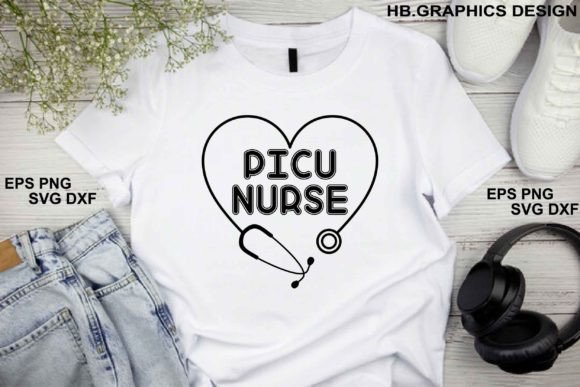
Any design with text demands careful handling in machine embroidery. With this one, I’d be cautious on very small hoop sizes. Trying to shrink it down for a tiny item might compromise the readability of “PICU Nurse.” Similarly, on highly textured fabrics or very thin fabric, the lettering could become less distinct. Stretchy fabric like some t-shirts requires excellent stabilizer to keep the text from distorting. And on curved surfaces like a cap, you’d need to ensure the layout doesn’t wrap awkwardly—testing in a digital mockup first is wise.
The design’s value for a small shop product or commercial embroidery project is high, but professionalism comes from proper execution. A poorly stitched version, with tangled letters or puckering, would undermine the customer trust and the handmade presentation. A clean, well-stitched version, however, elevates the product value and feels like a true personalized gift.
The Impact on Your Craft Business and Buyer Engagement
Using this embroidery file in your craft business means you’re offering a product with immediate recognition for a specific community. That’s powerful for buyer engagement. A PICU nurse browsing an Etsy listing for a custom embroidered patch would see this and feel it was made for them. That connection drives sales. It also aids brand consistency if your shop focuses on medical, gratitude, or professional-themed items.
For digital product sellers, this file is a core design asset. It’s ready for printable mockups to show potential buyers how it could look on a tote bag design or sweatshirt embroidery. But a key note: always confirm the licensing terms provided with the file before selling finished items or including it in your own digital product bundles. The description states it’s for digital download, but the specifics of commercial use need to be clear to you as the maker.
A Practical Checklist Before You Stitch
Here’s how I’d approach this design before committing it to a final finished product:
- Test it on scrap fabric identical to your project fabric. Check for clarity, especially the “PICU Nurse” text.
- Review stitch density in your embroidery software. Look for any overly dense areas that might cause puckering.
- Check thread color contrast for both light and dark fabric backgrounds. Run a test in black and white if possible to see pure form.
- Confirm your hoop size is appropriate. Don’t force a large-text design into a miniature hoop.
- Use proper stabilizer for your chosen fabric—this is non-negotiable for clean text.
- Consider the end-use: Will this item need frequent washing? Ensure your thread and technique are durable.
The I Don’t Do Big People Picu Nurse design, when handled with this practical care, becomes more than a T-Shirt Designs graphic. It becomes a stitched testament to a demanding, compassionate profession. In your hands, as an embroidery designer, it transforms from a digital file into a tangible piece of appreciation. That’s the real power of a well-chosen, well-executed embroidery design.