A Tribute to Nurses That Fits Right in Your Hoop
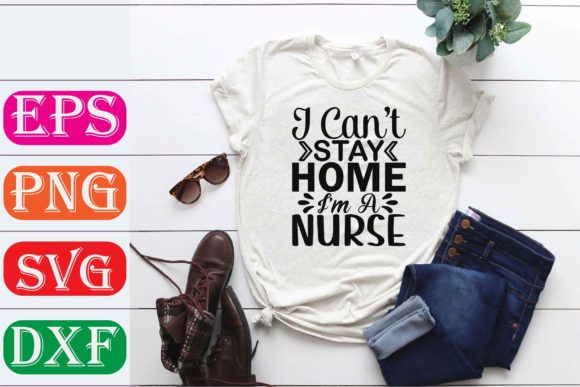
As someone who spends most days translating digital designs into physical stitches, I look at files with a very practical eye. When I opened Nurse SVG Design. I Can’t Stay Home I’m A Nurse, my first thought wasn’t about the theme—which is immediately clear—but about how it would actually perform under a needle. This isn't just a graphic; it’s a potential tote bag, a heartfelt sweatshirt gift, or a standout patch for a medical professional’s uniform. Let’s talk about what makes this design work, and where you’ll want to pay close attention before hitting ‘start’ on your machine.
The Personality Stitched Into the Lines
This design has a friendly, declarative mood. It’s not overly clinical or stern; the phrasing “I Can’t Stay Home I’m A Nurse” carries a sense of duty mixed with a touch of humble pride. Visually, the layout likely supports this with clean lettering and a central, recognizable symbol—think a nurse’s cap, heart, or medical cross. The detail level here is key: it needs to be clear enough to read from a few feet away on an embroidered patch, but not so dense that it becomes a puffy, stiff mess on a lightweight baby clothes item. From a designer’s perspective, this feels like it belongs on items meant for personalized gifts and small shop merchandise—things that communicate appreciation directly.
Where This Design Finds Its Perfect Home
In real-life embroidery projects, this design shines on stable, medium-weight fabrics. Imagine it on a canvas tote bag for a nurse carrying her daily essentials—the stitches will hold up beautifully. A left-chest placement on a premium sweatshirt makes for a fantastic holiday gift. It’s also a strong candidate for a kitchen towel or apron in a home kitchen, celebrating a family member in the profession. For Etsy sellers and craft fair products, this design has immediate recognition, which speeds up buyer engagement. It taps into a specific, respected community.
However, I’d proceed carefully with a few applications. If the design has small lettering or intricate corners, test it first on scrap fabric. Curved surfaces like caps can distort simpler text, so a mock-up is essential. On thin or stretchy fabric, a sturdy stabilizer is your best friend to prevent puckering. Dark fabric backgrounds require thoughtful thread color contrast planning—maybe a bright white or a soft pastel to ensure the message pops. Avoid very small hoop sizes if the design is expansive; you need room for the stitches to breathe.
How Embroidery Elevates the Design's Value
Moving this from a screen to stitches transforms it. The tactile quality of embroidery adds weight and warmth to the sentiment. For a handmade product, this increases the perceived value dramatically—a customer isn’t just buying a graphic; they’re buying a crafted tribute. This builds customer trust and enhances your brand consistency if you specialize in appreciation-themed items. As a gift, an embroidered pillow cover or blanket with this design becomes a keepsake, far more personal than a printed logo. The professionalism comes from your execution: clean stitches, smart placement, and appropriate fabric choice.
A Real Scenario: Preparing a Custom Embroidered Tote
Let’s walk through a typical use. I’m preparing a custom tote for a nurse client. I’ve chosen a natural cotton canvas. After loading the provided SVG or DXF file into my software, I check the scale. I want it prominent but not overwhelming the bag’s front panel. I’ll likely use a satin stitch for bold letters and a fill stitch for any emblem, ensuring the stitch density isn’t too high for the fabric. I run a test on a scrap of the same canvas, checking that the small details, like the tail of a letter ‘R’ or a heart outline, don’t get lost. I compare how it looks in a digital mockup on both a light and dark background, finalizing my thread colors. Using a proper stabilizer for the bag’s structure, I hoop it securely. The final result is a sturdy, readable, and deeply appreciated product that feels made, not just manufactured.
Practical Notes for the Embroidery Designer
Before you commit this design to a final project, a few steps are non-negotiable. Always test on scrap fabric first. This reveals any issues with stitch density or small detail integrity. Check your thread color contrast against your final fabric—print a simple black and white mockup if needed. Confirm your hoop size can accommodate the design without forcing unnecessary compression. Inspect the design files provided—the ZIP contains EPS, SVG, PNG, and DXF files. This versatility is excellent for different software and applications, from machine embroidery to printable mockups for your online listings.
Crucially, check the licensing terms for this design before selling finished items or using it in commercial embroidery projects. The product category is listed as T-Shirt Designs and Graphics, but clear understanding of usage rights is your responsibility. Does it allow for physical product sales? Digital resale? Confirming this protects your craft business. Finally, consider the fabric texture. A design like this might work beautifully on a smooth polo shirt for a nurse’s uniform, but could get lost on a heavily textured sweater. Your judgment in pairing the design with the right material completes the process.
The Final Stitch: A Design Built for Real Use
Nurse SVG Design. I Can’t Stay Home I’m A Nurse succeeds because it serves a clear purpose with a clear aesthetic. It’s not a generic graphic; it’s a targeted message for a valued profession. In your hands as an embroiderer, it becomes more than a file. It becomes an applique on a child’s blanket for their nurse mom, a subtle badge on a professional apron, or a bestselling item in your boutique branding. Approach it with the practical care you give any design—mindful of scale, fabric, and intent—and it will stitch out as a clean, meaningful, and professional finished product every time.