A Retro Nurse Design Review: From Digital File to Finished Stitch
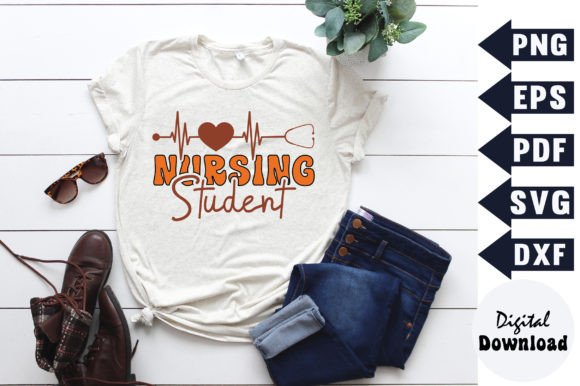
When a new embroidery file lands in my library, my first thought isn’t just about the graphic itself. It’s about the journey from that digital preview to a real, stitched product. The Retro Nurse SVG Design, Nursing School immediately caught my eye not just as a graphic, but as a potential story stitched onto fabric. Let’s walk through what makes this design work, and where its true potential lies for makers like us.
The Instant Mood: Nostalgia with a Modern Punch
This design has a distinct personality. It’s not a generic medical logo; it’s a character. The retro styling evokes a sense of warmth, dedication, and a bit of playful history. That’s a powerful starting point for any embroidery project. When I look at the layout, I see clean shapes and a clear focal point—the nurse figure and the text are balanced. This is crucial for embroidery, where overly complex compositions can become muddy in stitch. The detail level feels intentional: enough to be recognizable and charming, but not so intricate that it would become a nightmare on a curved cap or a textured sweatshirt.
For embroidery designers and small business owners, this visual personality translates directly to product appeal. Imagine this stitched onto a tote bag for a nursing student. It’s not just a label; it’s a badge of honor with a friendly, vintage vibe. That mood increases the perceived value of the handmade product and makes it feel like a personalized gift, rather than a stock item.
Where This Design Finds Its Natural Home
I’m picturing a real scenario: a client requests a custom embroidered sweatshirt as a graduation gift for a friend who just survived nursing school. The Retro Nurse SVG Design, Nursing School is a perfect candidate. Its theme is celebratory and personal. The clean outlines suggest it would adapt well to a medium-sized hoop, translating into a crisp satin stitch border and clean fill stitches for the main elements.
Beyond apparel, this design has a wide range of applications that align with what crafters and Etsy sellers typically produce:
- Custom Apparel: Sweatshirts, t-shirts, and aprons make excellent canvases. The design’s size and shape would center well on a chest or pocket.
- Personalized Gifts: Embroidered pillow covers or tea towels for a nurse’s home, or a subtle piece on a baby blanket for a new mom in the profession.
- Small Shop Merchandise: As a focal point on a tote bag or a decorative patch, it becomes a recognizable product line for a boutique.
- Craft Fair & Holiday Gifts: Its celebratory nature makes it ideal for end-of-semester gifts or holiday presents for healthcare workers.
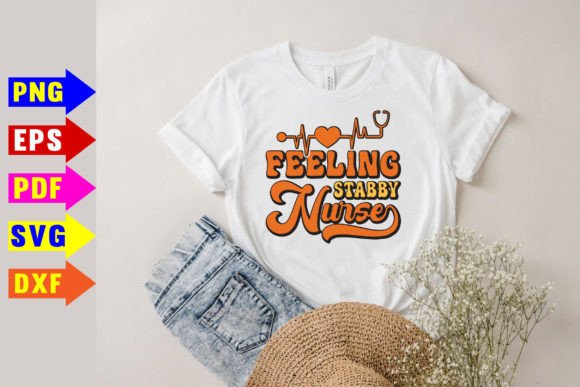
The inclusion of multiple file formats (SVG, PNG, EPS, DXF) as noted in the product description is a practical boon. It allows for flexibility—not just for cutting machines, but for creating printable mockups to preview the design on different products, which is essential for digital product sellers showcasing their assets.
The Stitching Reality: Considerations for a Clean Finish
Now, let’s talk about the embroidery machine itself. A design’s digital charm must survive the transition to thread and fabric. Here’s my practical judgment on how this file would perform in real-life embroidery situations.
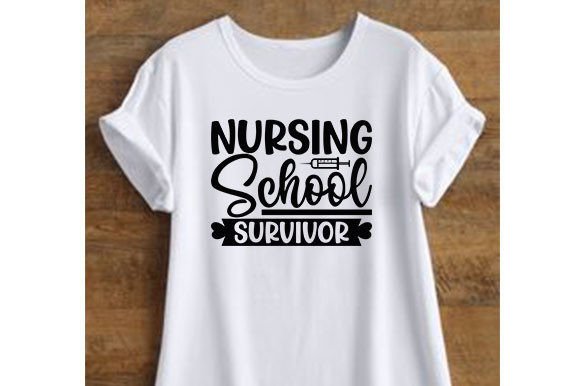
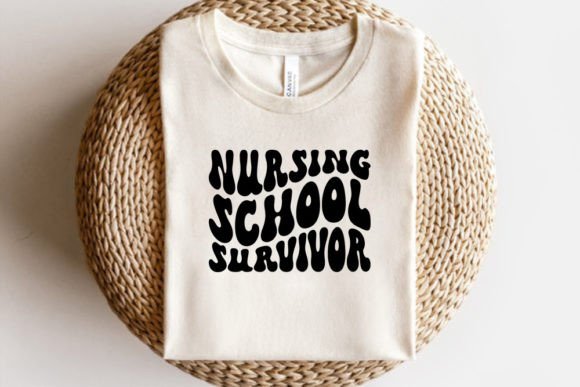
First, the good news. The clear, separated elements in the graphic suggest manageable stitch density. Areas like the nurse’s uniform and the text “Nursing School Survivor” would likely use fill stitches that, if properly balanced, won’t create overly dense, stiff patches on lightweight fabrics. This is key for comfort on t-shirts or baby clothes.
However, there are always careful considerations. For any embroidery project, especially when using a design with text and distinct shapes:
- Small Hoop Sizes & Tiny Details: If you’re planning a mini version for a cap or a delicate corner of a pillow, test first. The smaller lettering in “Survivor” needs to be checked for stitching clarity. A running stitch might be cleaner than a satin stitch at very small scales.
- Fabric Choice: On stretchy fabrics like jersey, or dark fabrics where thread contrast is vital, a robust stabilizer is non-negotiable. The design’s integrity depends on it.
- Textured & Layered Fabrics: A thick sweatshirt or a terry cloth towel can absorb detail. A test run on scrap fabric of the same material will reveal if any elements need slight simplification.
- Curved Surfaces: Embroidering this on a baseball cap requires attention to distortion. The design’s relatively compact layout is a benefit here.
These steps aren’t criticisms of the design; they’re the standard protocol for professional embroidery work. Applying them to this Retro Nurse SVG Design ensures the final product looks crisp, professional, and durable—factors that build customer trust and brand consistency for your craft business.
Turning a Digital File into a Commercial Asset
For creative entrepreneurs and apparel decorators, the end goal is often a finished product that sells. The visual appeal of this design, when stitched well, directly impacts buyer engagement. It tells a story quickly. A customer browsing an Etsy listing for embroidered tote bags will recognize the theme and emotional resonance immediately.
From a commercial embroidery perspective, its clarity aids in efficiency. A clean, well-digitized file (which the provided formats suggest) minimizes thread breaks and re-hooping, saving time on batch orders for small shop merchandise or holiday gift sets.
However, a crucial note for all makers: always confirm the licensing terms before selling finished items. The product description states it’s suitable for cutting machines, but it doesn’t explicitly outline commercial use rights. As a reviewer, I must advise you to verify this. Using a design for personal gifts is typically safe, but scaling up to craft fair products or digital product previews for your own shop requires clear permission. This protects your business and respects the designer.
Practical Designer Notes Before You Hoop
Before you load this file and start stitching for a client project or your own boutique line, here’s my checklist:
- Test on Scrap Fabric: Always. Use both a light and a dark scrap to judge thread color contrast.
- Review Stitch Density: In your software, look at the proposed fill areas. Adjust if they seem too heavy for your target fabric.
- Confirm Hoop Size: Match the design size to a hoop that gives you stability without unnecessary empty space.
- Inspect Small Details: Zoom in on the fine lines and corners in your embroidery software preview. Are they single-run stitches or complex fills? Plan your needle path.
- Consider the End Product’s Life: For items needing frequent washing, like kitchen towels or baby clothes, a robust stitch construction with secure trims is vital for longevity.
The Retro Nurse SVG Design, Nursing School is more than a graphic; it’s a versatile starting point for meaningful embroidery projects. Its nostalgic charm and clean composition make it a strong candidate for a wide range of handmade products. By approaching it with the practical steps above, you can transform this digital file into a beautifully stitched reality that resonates with customers and celebrates the hard-earned achievement of nursing school survivors. That’s the true test of any embroidery design’s worth.