A Practical Review of the Nurse Svg Design for Embroidery Projects
First Impressions: A Design With Heart
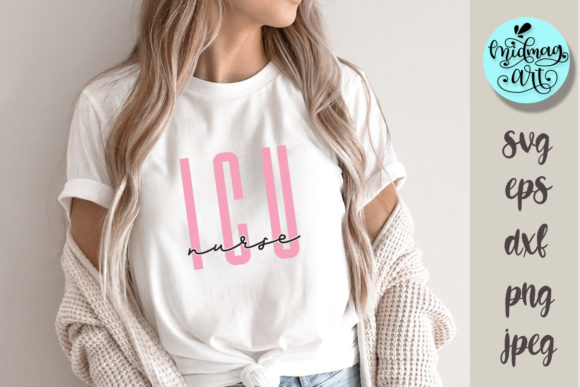
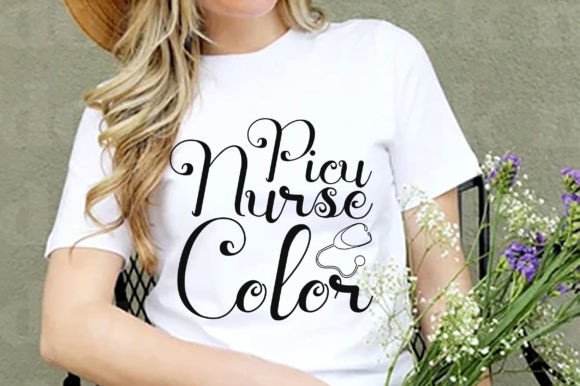
When I opened the files for the Nurse Svg Design, Sorry, Picu Nurse, my immediate reaction was one of appreciation for its authentic, heartfelt theme. This isn't a generic medical graphic; it has a specific, caring personality. The combination of "Sorry" with "Picu Nurse" suggests a design meant for those in the challenging, emotional environment of a Pediatric Intensive Care Unit. The layout feels balanced, and the wording is concise enough for embroidery, yet carries significant emotional weight. It creates a mood of empathy, resilience, and quiet humor—a perfect blend for a personalized gift or appreciation item.
Where This Embroidery Design Naturally Belongs
This design isn't just for t-shirts. Its thematic strength makes it ideal for projects with a purpose. Imagine embroidering it on a soft cotton tote bag for a nurse colleague, creating a custom patch to adorn a work apron, or stitching it neatly onto the corner of a cozy blanket as a heartfelt gift. I’m picturing it on a high-quality sweatshirt—a piece of apparel someone would wear with pride, both inside and outside the hospital. For small business owners crafting boutique merchandise, this design could be a standout item on premium tea towels or pillow covers for a nurse's lounge. The emotional resonance translates directly into product value.
Real-Life Scenario: Crafting a Custom Embroidered Tote
Let’s walk through a real case. Suppose an Etsy seller wants to create a custom embroidered tote bag for a nurse’s week celebration. Using the Nurse Svg Design, Sorry, Picu Nurse, the first step is to consider scale. On a tote’s broad canvas, you could scale it up for a bold statement. The clean lines of the SVG and EPS files should allow for crisp digitizing, resulting in clean satin stitches for the lettering and balanced fill stitches for any graphical elements. The finished product would feel professional and thoughtful—a handmade presentation that builds customer trust because it speaks directly to a specific experience.
Performance in Actual Embroidery Situations
For embroidery, the key is how the design translates from file to stitches. The provided file formats—SVG, PNG, DXF, and EPS—are excellent for both digital previews and machine embroidery digitizing software. This versatility is crucial for apparel decorators and creative entrepreneurs. On a dark fabric sweatshirt, you’d want to test thread color contrast—perhaps using bright, clean whites or soft pastels to ensure the message pops. On baby clothes or delicate items, you’d need to consider a lighter stitch density to maintain fabric softness. For commercial embroidery projects, like a batch of caps for a nursing unit, the design’s simplicity likely means efficient stitching and good durability on curved surfaces, provided hoop size and stabilizer are chosen wisely.
Caution Areas: Where to Pay Extra Attention
While this design is strong, practical application requires some forethought. The potential for tiny lettering in "Sorry" and "Picu Nurse" means you must inspect these small details during your digitizing process. On textured fabrics like some knit sweatshirts, very fine details might get lost. I would not recommend this for extremely small hoop sizes; it needs space to maintain its clarity and impact. On stretchy fabrics, adequate stabilizer is non-negotiable to prevent distortion. Also, if applying it to products that need frequent washing, like kitchen towels or everyday apparel, discuss with your digitizer to ensure stitch density and type are robust enough for longevity.
Affecting Appeal and Engagement
From a business perspective, this embroidery file affects several key areas. Its visual appeal is niche but powerful, instantly recognizable to its target audience. This specificity boosts buyer engagement for crafters and Etsy sellers—it’s not a mass-market graphic, so it attracts customers looking for something meaningful. Stitching clarity directly impacts professionalism; a well-executed version on a high-quality hoodie looks like a premium boutique product. For giftability, it scores high. A personalized gift for a PICU nurse carries immense sentiment. Finally, for brand consistency, if your small shop focuses on healthcare appreciation items, this design fits seamlessly, adding depth to your collection.
Practical Notes for the Embroidery Designer
Before running this machine embroidery design on your final project, here are my grounded recommendations. Always, always test it on scrap fabric first, mimicking the final fabric texture and color. This reveals any issues with stitch density or thread tension. Check how it looks in both black and white digital mockups to foresee contrast needs on light versus dark backgrounds. Review the design files carefully; confirm the intended hoop size for your machine and that the detail level is appropriate. Crucially, before selling finished items or using it in commercial embroidery, confirm the licensing terms provided with the files. The product is categorized under Graphics and T-Shirt Designs, but the license dictates your use.
Use proper stabilizer for the specific application—a tote bag might need a different type than a baby blanket. When planning thread colors, consider the mood: softer colors might enhance the empathetic tone, while bold colors could make it more celebratory. Finally, consider the end-user. An embroidered patch might be perfect for a nurse who wants to attach it to various items, while a direct stitch onto a premium pillow cover creates a lasting home decor piece. The Nurse Svg Design, Sorry, Picu Nurse has the foundational strength to be adapted across many beautiful finished products, provided we apply our practical embroidery knowledge to bring it to life.